Choosing new flooring is an exciting part of improving a home, but it is also an area where costly mistakes are frequently made. Flooring plays a major role in how a space looks, feels, and performs day to day, yet many issues only become apparent after installation. From selecting the wrong material to overlooking preparation, understanding common flooring mistakes can help homeowners make better decisions and avoid unnecessary expense.
Choosing Flooring Based on Appearance Alone
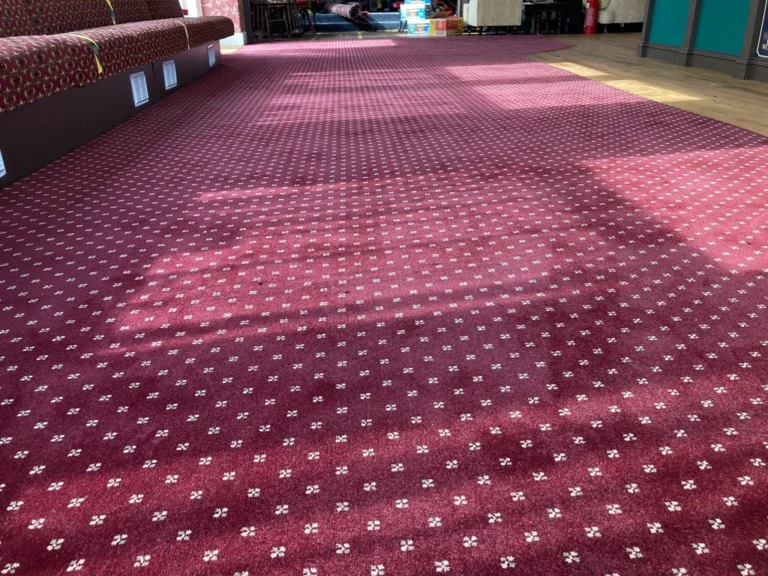
One of the most common mistakes homeowners make is selecting flooring purely on how it looks. While style and colour are important, flooring must also suit the room it is being installed in. For example, a light-coloured carpet may look attractive in a showroom but can be impractical in busy family areas or hallways where dirt and wear are more noticeable.
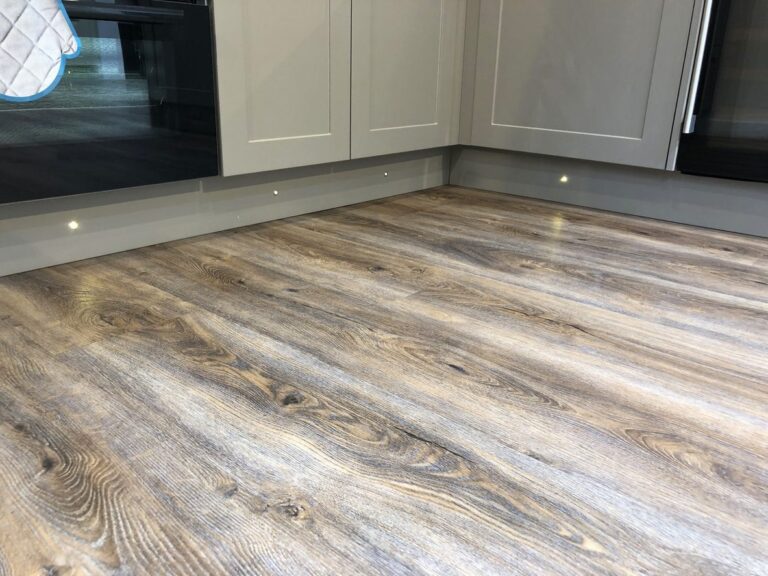
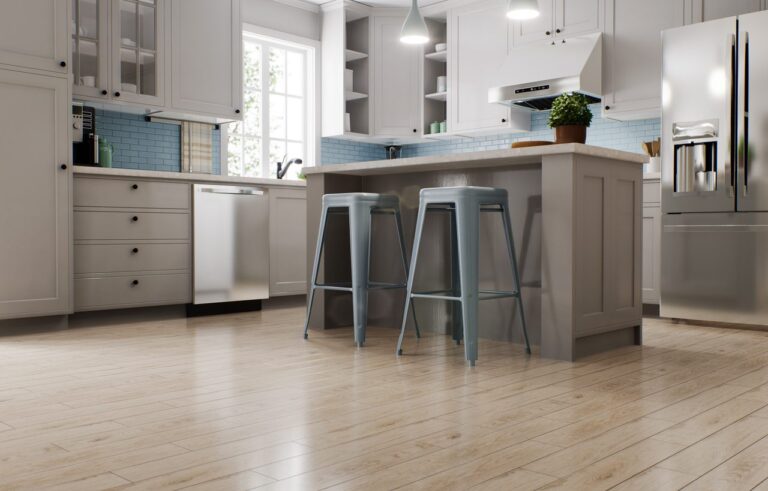
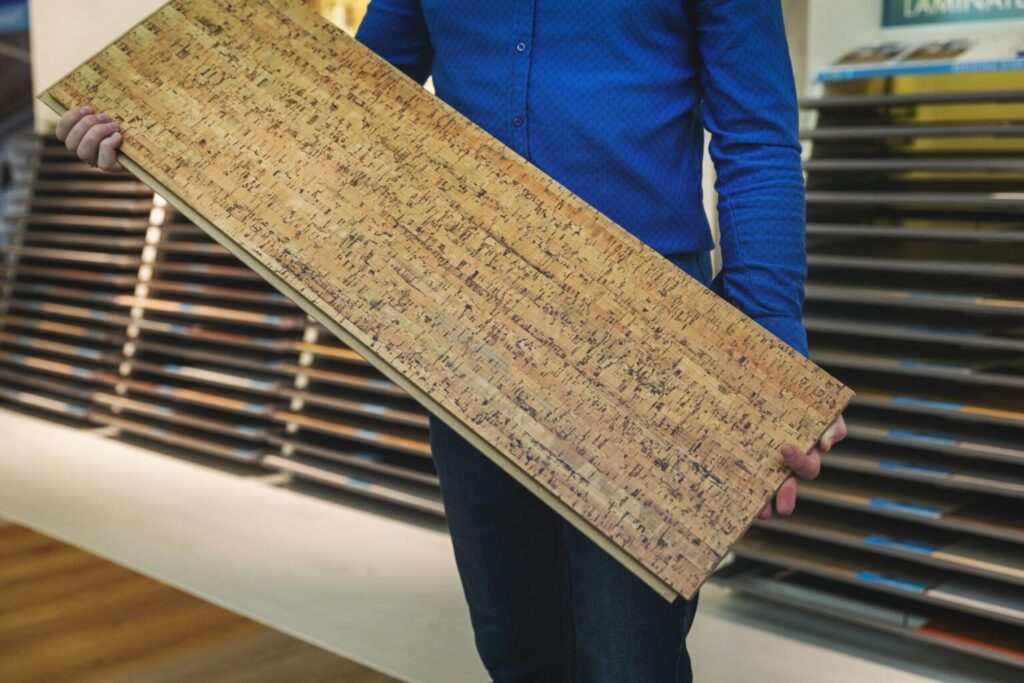
Different rooms place different demands on flooring. Kitchens, bathrooms, and entrances require moisture-resistant and durable flooring such as vinyl or luxury vinyl tiles, while bedrooms and living rooms may benefit from warmer, softer options like carpet or cork. Balancing appearance with practicality ensures flooring remains attractive over time.
Not Considering Lifestyle and Usage
Every household is different, yet many flooring decisions are made without considering how the space is actually used. Homes with pets, children, or high foot traffic need flooring that can cope with daily wear and tear. Laminate or LVT flooring is often more suitable for busy areas, while softer carpets may struggle to maintain their appearance under heavy use.
Weight, movement of furniture, and the number of people using a room all affect how flooring performs. Taking lifestyle factors into account helps prevent premature wear, dents, or damage.
Overlooking Subfloor Condition and Preparation
A common but less visible mistake is failing to assess the condition of the subfloor before installation. Uneven, damp, or damaged subfloors can lead to issues such as lifting vinyl, squeaking laminate, or premature wear. Proper floor preparation, including levelling and screeding where necessary, is essential for a long-lasting finish.
Many flooring problems blamed on the product itself are actually caused by inadequate preparation beneath the surface. Ensuring the subfloor is suitable for the chosen flooring type is one of the most important steps in the process.

Choosing the Wrong Underlay
Underlay is often seen as an afterthought, but it plays a vital role in comfort, insulation, noise reduction, and flooring longevity. Using the wrong underlay, or none at all, can reduce the performance of carpet, laminate, and engineered wood flooring.
Different flooring types require specific underlays, particularly when underfloor heating is involved. The correct underlay improves comfort underfoot and helps protect flooring from long-term damage.
Focusing on Short-Term Cost Over Long-Term Value
Budget is always a consideration, but choosing the cheapest flooring option can be a false economy. Lower-quality materials may wear out faster, require more maintenance, or need replacing sooner. In contrast, mid-range or higher-quality flooring often offers better durability and performance over time.
Understanding the expected lifespan of different flooring types helps homeowners make informed decisions that balance initial cost with long-term value.
Incorrect Measurements and Planning
Poor measurements can lead to ordering too little or too much flooring, causing delays or unnecessary waste. Complex room layouts, stairs, and doorways all require careful planning, particularly with patterned carpets or plank-style flooring such as laminate or LVT.
Accurate measuring and planning ensures efficient installation and a more professional finish.
Not Thinking About Maintenance Requirements
Every flooring type has different cleaning and maintenance needs. Some homeowners choose flooring without considering how much upkeep it requires. High-gloss surfaces, for example, may show marks more easily, while certain wood or laminate floors require specific cleaning products.
Understanding ongoing maintenance helps ensure flooring continues to look good and perform well over time.
How to Avoid These Flooring Mistakes
Avoiding common flooring mistakes starts with understanding how different materials behave and what is required for proper installation. Taking time to consider room use, preparation, underlay, and maintenance leads to better outcomes and fewer problems in the future.
Professional advice can be invaluable, particularly for complex spaces or when selecting flooring for high-use areas. Well-chosen and properly installed flooring not only improves comfort and appearance but also adds long-term value to a home.