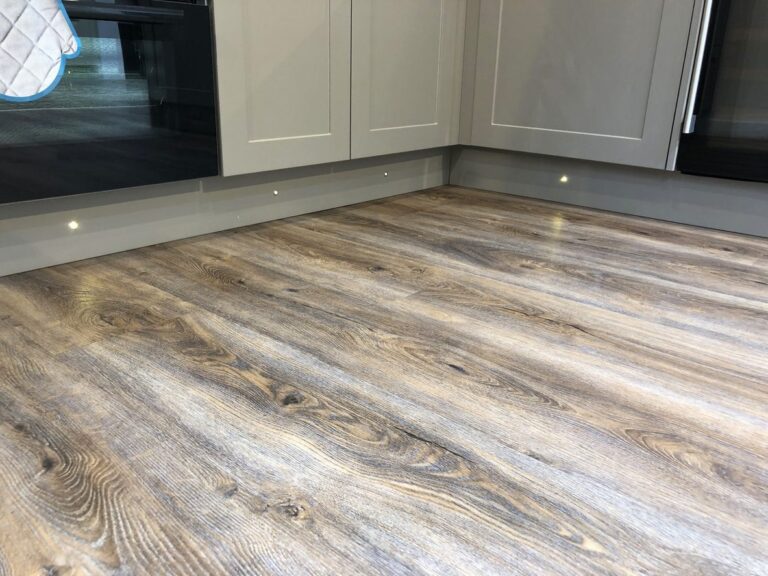
A common question we encounter at Hendersons Carpets and Flooring is whether LVT can be installed over existing flooring. The quick answer is yes, in many cases, you can lay LVT directly over an existing floor, which includes certain types of hard flooring. This installation method not only saves time and effort but also keeps your renovation costs down. Let’s dive deeper into why you might consider this approach and which types of flooring are suitable for this kind of installation.
Why Might You Want To Lay LVT Over Existing Flooring?
Choosing to install LVT over your existing flooring offers several benefits. Firstly, it minimises the disruption with floor renovations since removing the old flooring isn’t needed. This is particularly useful in commercial settings where closing off areas for a long time can halt business operations and reduce income. Laying LVT over existing flooring can be more cost effective as it reduces labor and disposal costs. The installation process is generally quicker and cleaner, making it a convenient choice for many homeowners and businesses alike.
In some cases, having an extra layer of flooring might also be worth it for both heat and noise insulation. Having LVT on top of your old tile, for example, adds another few centimetres of material between your room and the ground or another property below you.
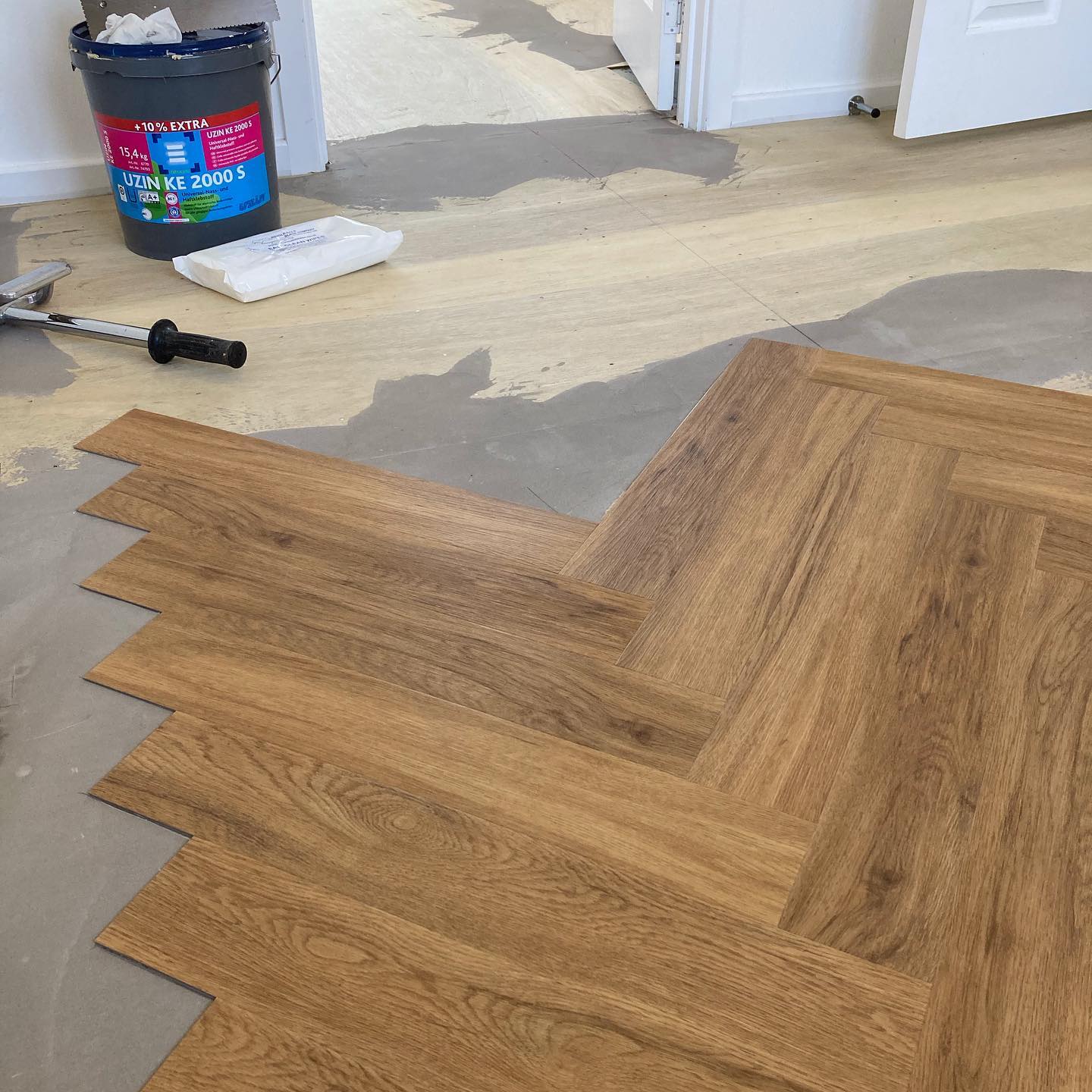 Types of Flooring That Can Be Covered
LVT is remarkably versatile and can be installed over various hard flooring types, provided the surface underneath is stable, flat, and moisture-free. Here are some common types of flooring that you can place LVT over:
- Ceramic Tile: Ensure the tiles are well adhered, and the grout lines are filled to create a level surface.
- Hardwood: The wood should be in good condition without warping or extensive damage.
- Laminate: As with hardwood, ensure the surface is even and secure. Thicker laminate is preferred.
- Existing Vinyl: Check that the existing vinyl is not peeling or lifting.
- Concrete: The concrete must be fully cured, dry, and smooth.
Before proceeding with installation, it’s essential to ensure the existing floor is thoroughly cleaned and prepared to receive the new LVT. This might involve levelling any depressions or irregularities and ensuring the floor is structurally sound.
Advantages of Choosing LVT for Overlays
Choosing LVT flooring for overlays offers significant benefits, making it a great choice in residential and commercial spaces. Not only does it allow for a quicker and less labour intensive installation, but it also comes with a reduced cost since there’s no need to remove the existing flooring. LVT’s versatility in design can seamlessly integrate with any interior space and its durability makes sure it stands up well to daily wear and tear, maintaining its appearance over a long time.
Potential Challenges and How to Overcome Them
Uneven Subflooring
Challenge: An uneven base can lead to a poor installation, causing the LVT to wear unevenly or detach.
Solution: Use a self-levelling layer to create a smooth surface before laying the LVT or carry out work to level the old flooring.
Adhesion Difficulties
Challenge: Poor adhesion can occur if the existing floor is not properly prepared.
Solution: Ensure the existing floor is thoroughly cleaned and any loose or peeling areas are repaired or removed to improve the bond.
Moisture Issues
Challenge: Moisture trapped between the existing floor and LVT can lead to mould growth or material deterioration.
Solution: Check the flooring for moisture and use a moisture barrier if necessary, especially when laying LVT over concrete.
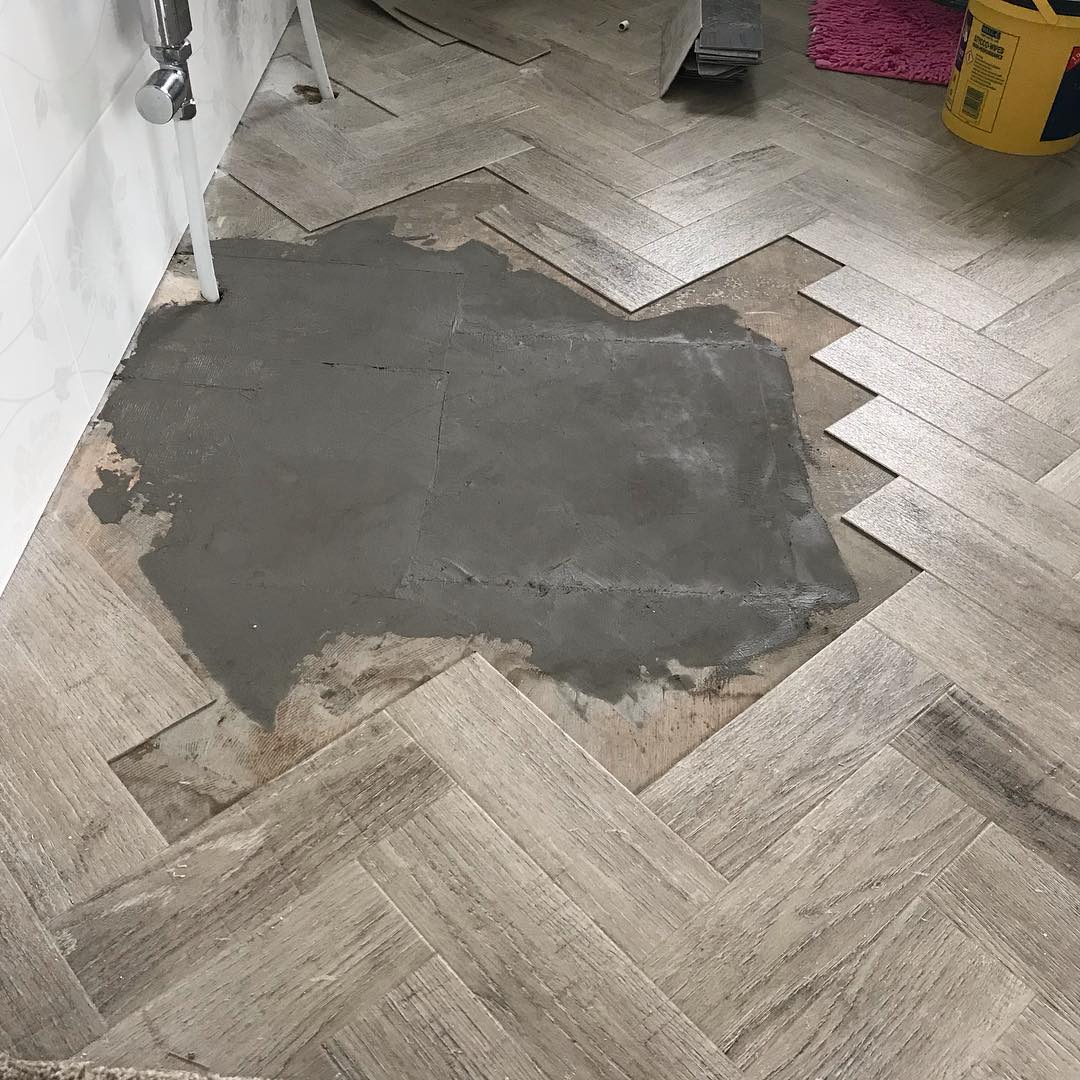 Will All LVT Work the Same?
Not all LVT products are created equal. The performance and suitability of LVT can vary based on its construction and the specific features it offers, such as thickness, wear layer, and installation method (glue-down vs. floating). When selecting LVT, you need to consider the specific needs of your space, such as moisture exposure and foot traffic, to ensure you choose a flooring solution that meets all of your requirements.
If your old flooring has texture to it or perhaps isn’t perfectly level, thicker LVT will hide this better, whereas thin LVT will possibly still show these imperfections. Therefore it can be advantageous to spend a little extra on higher quality flooring.
Start Covering Those Old Floors!
So, what is the final verdict? While LVT offers a flexible and attractive solution for flooring overlays, it is important to address potential challenges head-on to ensure a successful installation. By selecting the right type of LVT and preparing the existing floor properly, you can transform the beauty and functionality of your space with minimal disruption.
Speak with our team today and find the LVT you need to revamp your space.