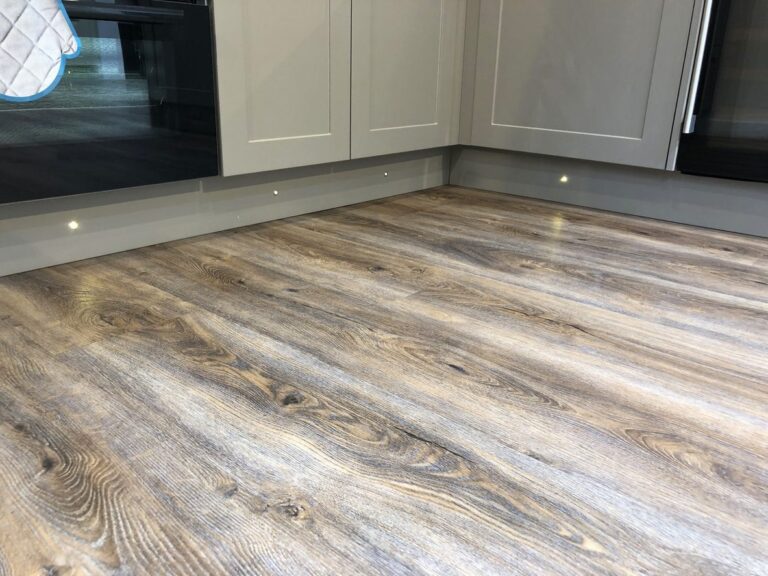
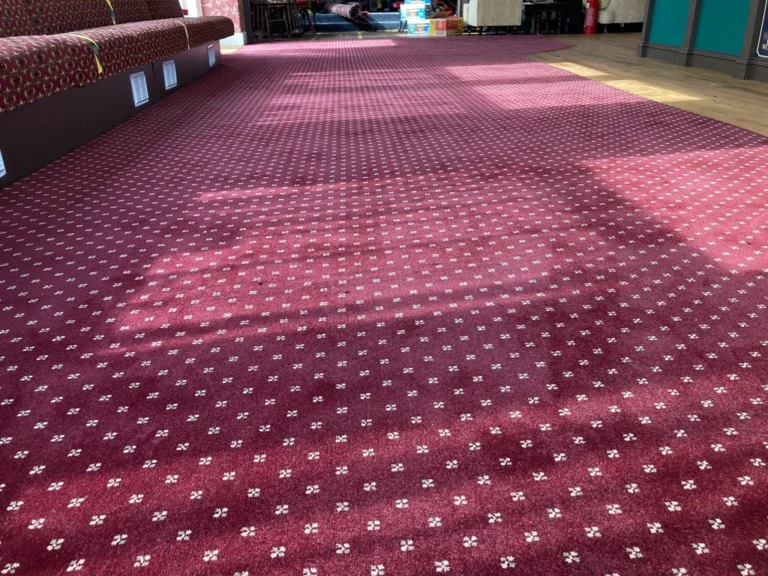
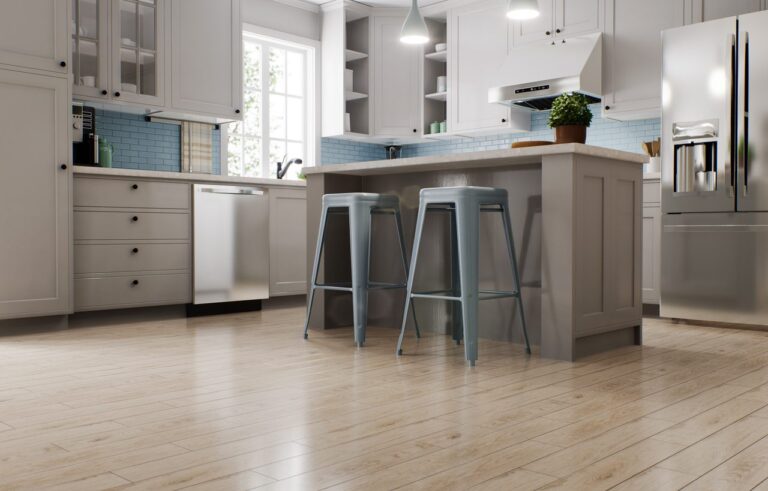
When choosing new flooring, many homeowners assume that a higher price automatically means better quality. While cost can reflect durability, materials, and craftsmanship, expensive flooring is not always the best choice for every space. Understanding what influences flooring prices can help homeowners make informed decisions based on performance and suitability rather than price alone.
What Determines the Cost of Flooring?
Flooring prices vary widely depending on several factors, including materials, manufacturing methods, thickness, wear layers, and brand reputation. Natural materials such as solid wood and natural stone tend to cost more due to sourcing, processing, and environmental factors. In contrast, laminate and vinyl flooring often offer a more affordable alternative while still providing durability and attractive designs.
Design features such as realistic textures, embossed finishes, and high-definition surface layers can also increase cost. These details improve appearance and realism but may not always be necessary depending on where the flooring will be installed.
Higher Price vs Higher Performance
More expensive flooring often offers improved durability, better wear resistance, and a longer lifespan. For example, premium luxury vinyl tiles usually have thicker wear layers, making them more suitable for high-traffic areas. Similarly, higher-quality carpets often use denser fibres, which helps them retain their appearance for longer.
However, performance depends just as much on how the flooring is used. A top-end product installed in a low-use bedroom may offer little practical benefit over a mid-range option. In contrast, choosing budget flooring for a busy hallway or kitchen can lead to quicker wear and earlier replacement.
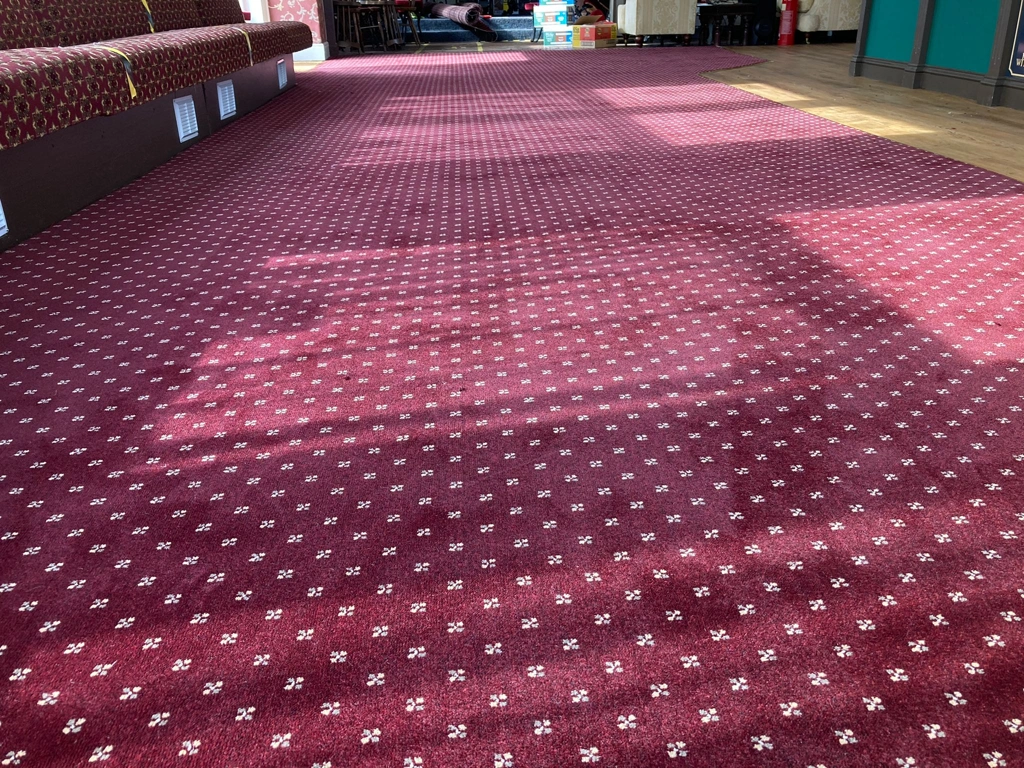
When Budget Flooring Can Be the Better Option
Lower-cost flooring is not automatically poor quality. Many modern laminate and vinyl floors are designed to provide excellent performance at a more accessible price point. These options can be ideal for rental properties, spare rooms, or areas with lighter use.
Advances in manufacturing mean that affordable flooring can now offer realistic designs, water resistance, and easy maintenance. In the right setting, budget flooring can perform just as effectively as more expensive alternatives.
The Importance of Installation Quality
One factor often overlooked when comparing flooring prices is installation. Even the most expensive flooring can fail if it is not installed correctly or if the subfloor has not been properly prepared. Issues such as lifting, gaps, or uneven surfaces are more commonly caused by poor fitting rather than the flooring itself.
Professional installation ensures the flooring performs as intended, regardless of price. Correct preparation, accurate fitting, and appropriate underlay all contribute significantly to the longevity and appearance of the finished floor.
Maintenance and Long-Term Costs
Some high-end flooring materials require more ongoing care to maintain their appearance. Natural wood floors, for example, may need periodic refinishing, while certain carpets require specialist cleaning. These long-term maintenance costs should be considered alongside the initial purchase price.
In contrast, many mid-range vinyl and laminate floors are designed for easy cleaning and minimal upkeep, which can make them more cost-effective over time.
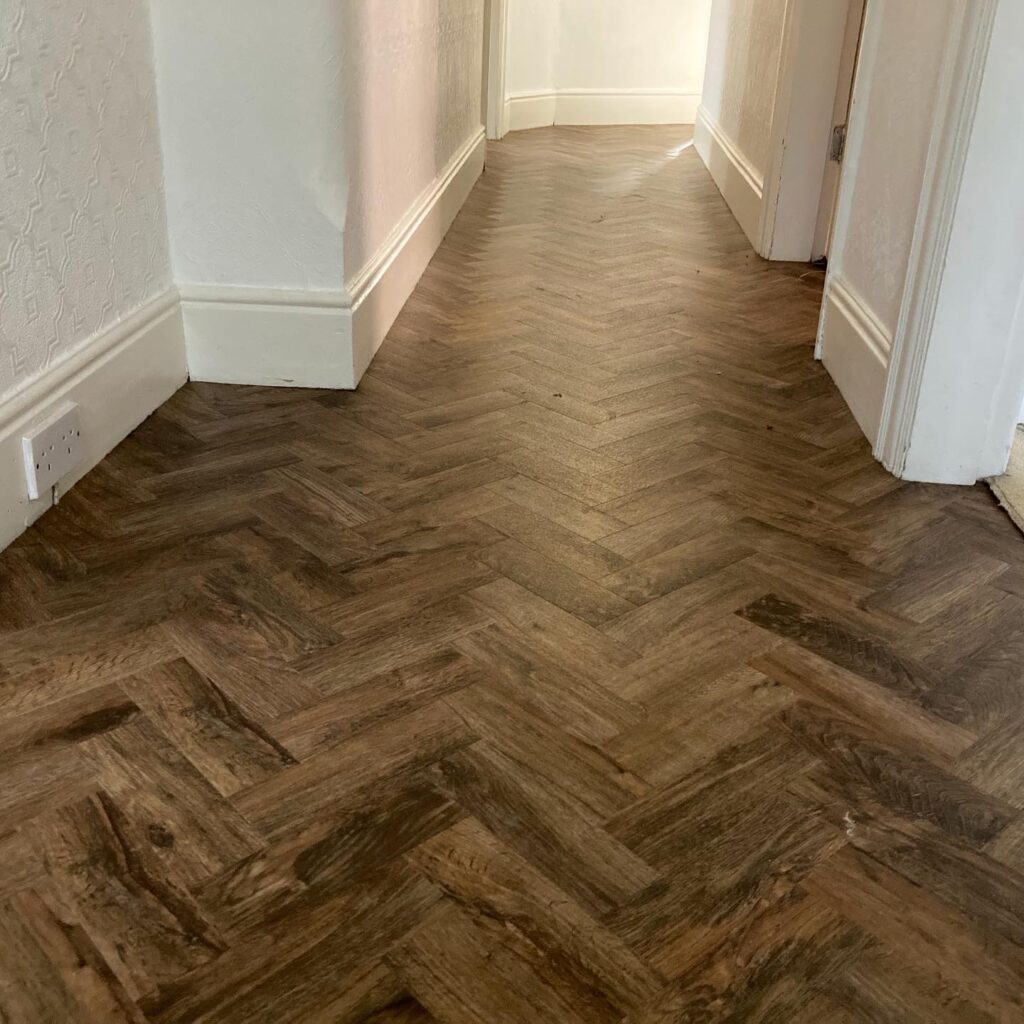
Choosing Flooring Based on Value, Not Price
The best flooring choice is one that offers the right balance of durability, comfort, appearance, and maintenance for its intended use. Rather than focusing solely on price, homeowners should consider where the flooring will be installed, how often it will be used, and what level of maintenance they are comfortable with.
Value comes from selecting flooring that performs well in its environment and stands the test of time, not simply from choosing the most expensive option available.
Making an Informed Flooring Decision
Expensive flooring can be a worthwhile investment in the right circumstances, but it is not always necessary. Understanding what you are paying for allows you to choose flooring that meets your needs without overspending.
By focusing on suitability, preparation, and long-term performance, homeowners can achieve durable, attractive flooring that offers real value, regardless of price point.